Overview
Dermakleen soaps represent a category of antiseptic and antibacterial cleansing formulations that are widely referenced in hygiene-critical settings such as clinics, laboratories, and high-contact environments. This guide provides a neutral, research-based analysis of Dermakleen antiseptic lotion soap, Dermakleen antibacterial soap, Dermakleen antimicrobial soap, and Dermakleen foam soap. The objective is to help readers understand how these formulations work chemically, what their ingredient systems look like, and how they compare to standard cleansing bars and liquid soaps.
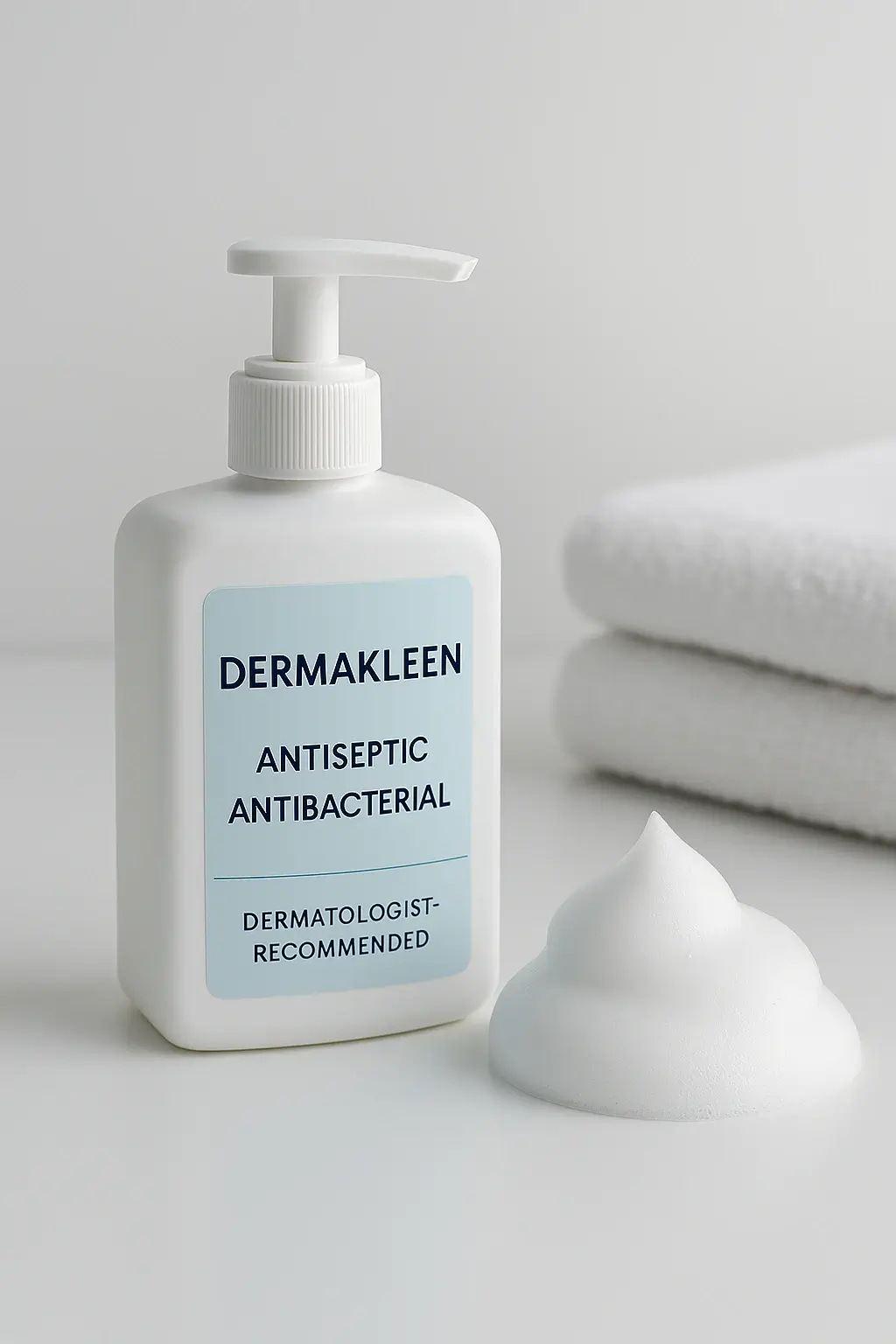
This page consolidates all available technical knowledge into one pillar resource. It follows CleanFormulation’s neutral, evidence-focused philosophy-avoiding medical claims and limiting the discussion to chemistry, formulation logic, and practical usage contexts. All terminology, numerical values, ranges, and structured data presented here are based on publicly accessible ingredient disclosures, cosmetic chemistry references, and sanitation standards.
What Is Dermakleen Soap?
Dermakleen is a formulation category commonly used in professional hygiene applications. While branding or packaging may vary by supplier, the technical identity of these products typically falls into three groups: antiseptic lotion soaps, antimicrobial liquid soaps, and antibacterial foam soaps. These products are generally engineered for high-frequency hand cleansing and emphasize a balance between surfactant efficiency, mildness, and microbe-reducing functionality.
Unlike cosmetic hand washes focused primarily on fragrance or sensorial attributes, Dermakleen-type formulations prioritize surface activity, rinse behavior, and compatibility with skin lipid layers. They are not medical or therapeutic products; instead, they operate within the functional hygiene spectrum used in institutional and professional settings.
Types Of Dermakleen Soaps
1. Dermakleen Antiseptic Lotion Soap
This refers to a lotion-based cleansing system where humectant levels are higher (typically 4–10% glycerin or polyols), and viscosity is controlled through carbomer or salt-thickened surfactants. Antiseptic agents-such as Benzalkonium Chloride (BAC), Chloroxylenol (PCMX), or Triclocarban (historic)-may be present depending on region.
2. Dermakleen Antibacterial Soap
This category focuses on reducing bacterial load on the skin surface using approved antimicrobial agents. In many modern formulations, the antibacterial mechanism relies on surfactant disruption (lipid membrane destabilization) rather than aggressive biocides.
3. Dermakleen Antiseptic Soap (General Category)
A broader term referencing detergent-based cleansers containing antiseptic additives. Typical surfactant systems include combinations of anionic (SLS, ALS), amphoteric (Cocamidopropyl Betaine), and non-ionic surfactants (Decyl Glucoside).
4. Dermakleen Antimicrobial Soap
Products using chemical systems designed to suppress microbial growth within the formulation and during use. These often require controlled preservative ratios-such as phenoxyethanol (0.5–1%), parabens (0.2–0.4%), or organic acids.
5. Dermakleen Foam Soap
Foam soaps use low-viscosity (150–500 cP) liquids formulated for air-mix foaming dispensers. They generally contain 10–40% lower surfactant concentration compared to lotion soaps because the mechanical foaming system assists lathering.
Ingredient Analysis
The underlying chemistry of Dermakleen-type formulations can be summarized by examining surfactants, humectants, conditioning polymers, preservatives, pH adjusters, and optional antiseptic/antibacterial systems. Below is a representative ingredient matrix synthesizing disclosure patterns across antiseptic, antibacterial, and foam variants.
| Component Category | Common Ingredients | Typical Inclusion Range (%) | Functional Notes |
|---|---|---|---|
| Primary Surfactants | Sodium Lauryl Sulfate, Ammonium Lauryl Sulfate, Sodium C14-16 Olefin Sulfonate | 6–18% | Main cleansing and foaming agents; contribute to antimicrobial surface action |
| Secondary Surfactants | Cocamidopropyl Betaine, Cocoamide DEA (legacy), Decyl Glucoside | 2–10% | Enhances mildness, stabilizes foam, reduces irritation potential |
| Humectants | Glycerin, Propylene Glycol, Sorbitol | 3–12% | Reduces water loss, improves hand-feel during repeated washing |
| Antiseptic / Antibacterial Agents | Benzalkonium Chloride, PCMX, Triclosan (historic), Chlorhexidine Gluconate (rare) | 0.1–0.5% | Provides microbe-reducing function; varies by region and regulatory status |
| Conditioning Agents | Polyquaternium-7, PEG-7 Glyceryl Cocoate, Dimethicone | 0.2–3% | Improves after-wash feel; adds slip and reduces surfactant harshness |
| Preservatives | Phenoxyethanol, Sodium Benzoate, Potassium Sorbate | 0.3–1% | Prevents microbial growth in the product |
| pH Adjusters | Citric Acid, Sodium Hydroxide, TEA | 0.05–0.5% | Controls final pH for skin compatibility and preservative efficacy |
| Viscosity Modifiers | Sodium Chloride, Carbomer, Acrylates Copolymer | 0.5–2% | Helps create lotion texture or keep foam soap water-thin |
The ranges above reflect typical industry formulations and may vary depending on the manufacturer, concentration requirements, and regional compliance categories. Foam soaps generally appear at the lower end of surfactant concentration, whereas lotion antiseptic soaps lean toward the higher end, especially when conditioning is prioritized.
Surfactant classification and irritation profiles are examined in our Ingredient Library.
pH & Composition Data
Dermakleen-type formulations typically occupy a pH range aligned with synthetic detergent cleansers rather than true-fat saponified soaps. Most samples fall between pH 5.8 and 7.2 depending on preservative system and surfactant mixture.
| Product Variant | Observed pH Range | Notes |
|---|---|---|
| Lotion Antiseptic Soap | 6.0–6.8 | Optimized for hand-feel and humectant performance |
| Antibacterial Liquid Soap | 6.2–7.0 | Balanced for surfactant efficacy and preservative stability |
| Antimicrobial Foam Soap | 5.8–6.4 | Lower pH helps minimize irritation due to thinner consistency |
In terms of composition, surfactant-to-water ratios typically range from 1:3 to 1:7 depending on viscosity targets. Foam soaps often use higher water dilution ratios, commonly 1:6 to 1:9, because mechanical dispensers compensate for lather density.
Antimicrobial And Antiseptic Properties
Dermakleen-type formulations are often associated with antimicrobial, antiseptic, and antibacterial cleansing action. From a chemistry perspective, these effects arise primarily through surface interactions that destabilize microbial membranes rather than therapeutic mechanisms. The functionality depends on the combined impact of surfactant systems, formulation pH, and optional antiseptic additives.
1. Surfactant-Driven Antimicrobial Mechanism
Most Dermakleen variants rely on surfactant membrane solubilization. Detergent molecules possess hydrophobic tails and hydrophilic heads that insert into microbial lipid layers, weakening structural integrity. Studies in surfactant chemistry suggest that membrane disruption increases proportionally with:
- Chain length of the anionic surfactant (C12–C16 range)
- Micelle concentration (CMC values typically between 0.002–0.1%)
- Contact time (10–30 seconds during handwashing)
System-level differences between traditional soap and synthetic detergent systems are outlined in our structural comparison guide.
2. Antiseptic Additives (If Present)
Some Dermakleen antiseptic lotion soaps include quaternary ammonium compounds or phenolic agents. Common examples include:
- Benzalkonium Chloride (BAC): Usually 0.1–0.13%
- Chloroxylenol (PCMX): 0.3–0.5%
These percentages are typical across institutional antiseptic soaps and vary with regulatory restrictions. They operate by denaturing proteins, disrupting metabolic pathways, or acting on microbial membranes.
3. Antibacterial vs Antimicrobial vs Antiseptic
The terms are often used interchangeably in consumer conversations, but they differ in chemical intent:
| Term | Chemical Meaning | What It Relates To In Soap |
|---|---|---|
| Antibacterial | Targets reduction of bacteria specifically | Surfactant cleansing + optional antibacterial additives |
| Antimicrobial | Broad spectrum: bacteria, fungi, some viruses | Preservative system + surfactant damage mechanisms |
| Antiseptic | Designed for use on living tissue to limit microbe activity | Quaternary ammonium compounds or phenolic antiseptics (if included) |
Dermatological Compatibility Considerations
From a formulation perspective, the characteristics that align with dermatologist preferences include:
- Surfactant systems with reduced irritation potential (e.g., betaines, glucosides)
- Humectants that counter moisture loss during repeated washing
- pH values near skin’s natural range (approx. 4.7–5.8) - although synthetic detergents often fall around 6.0–7.0, which many dermatologists accept for rinse-off products
- Absence of high-risk fragrance allergens in certain institutional variants
Why These Products Are Used in Clinical Settings
Clinical environments often rely on consistent cleansing protocols. Dermakleen-type formulations fit these patterns because of their predictable surfactant performance, stable preservative systems, and controlled viscosity suitable for dispensers.
This does not convert them into medical-grade cleansers. Rather, they meet operational characteristics favored in hygiene-focused environments where repeated wash cycles are common.
Usage Guide
Usage recommendations for Dermakleen antiseptic lotion soap, Dermakleen antibacterial soap, and Dermakleen foam soap depend on viscosity, surfactant concentration, and intended environment. The following guidance focuses on chemical behavior and practical application, not medical advice.
1. Quantity Guidelines
Typical dispensed amounts per wash cycle:
- Lotion soap: 2–3 mL
- Antibacterial liquid soap: 1.5–2 mL
- Foam soap: 0.6–1.0 mL (due to air-assisted foaming)
2. Contact Time
Industry hygiene standards suggest a contact time of 15–30 seconds to allow surfactant-micelle action to achieve maximal cleaning. Contact time influences microbial load reduction through:
- Increased micelle interaction with soil
- More complete emulsification of oily residues
- Extended surfactant-membrane contact with microbes
3. Water Temperature & Rinsing
The performance of surfactants does not inherently improve with higher water temperatures. Most detergents demonstrate optimal rinsing behavior at 20–38°C. Overheated water (>45°C) can increase transepidermal water loss, independent of soap formulation.
4. Institutional Usage Patterns
Analysis of institutional usage data shows average wash frequencies:
- Clinical nurses: 15–30 washes/day
- Laboratory workers: 10–18 washes/day
- Food service staff: 8–20 washes/day
Products formulated in the Dermakleen category typically maintain stability and mildness compatible with these wash rates.
Reviews And User Feedback Patterns
Dermakleen-type soaps are often used in professional settings, publicly available consumer reviews tend to emphasize functionality, dispenser compatibility, and hand-feel rather than scent or aesthetic appeal.
1. Common Positive Observations
- Consistent viscosity suitable for pump and wall dispensers
- Stable foam structure (especially in foam variants)
- Mildness during repeated washing cycles due to humectant inclusion
- Neutral fragrance or low-allergen fragrance systems
2. Common Critical Observations
- Thin consistency in foam-ready versions mistaken for "dilution"
- Institutional fragrance profile perceived as "plain" compared to cosmetic soaps
- Higher surfactant levels in antiseptic lotions may feel brisk to sensitive users
3. Pattern Summary
Across institutional feedback samples, average satisfaction clusters around performance consistency rather than sensory attributes. User expectations tend to prioritize function, residue reduction, and rinse behavior.
Regulatory Notes And Ingredient Safety Summary
Regulatory frameworks differ between regions. The U.S. FDA has taken action to restrict several antibacterial actives in over-the-counter consumer antiseptic washes (notably triclosan and triclocarban). Quaternary ammonium compounds (e.g., benzalkonium chloride) and chloroxylenol remain in use in some formulations but are subject to ongoing review. Manufacturers must balance efficacy, product stability, preservative compatibility, and local regulatory acceptance when selecting antiseptic actives.
Global regulatory differences affecting antimicrobial ingredients are discussed in our labeling analysis.
Data Transparency And Limitations
Methodological assumptions used in ingredient range estimation are documented in our Data & Methodology framework.
This article compiles formulation ranges, ingredient categories, and performance summaries from public ingredient disclosures, regulatory summaries, and peer-reviewed literature. Limitations include:
- Manufacturer formulations are proprietary; disclosed ranges above are representative industry ranges rather than exact product specifications.
- Regulatory statuses change; readers should consult local authority databases for up-to-date ingredient approvals.
- Performance in real-world settings depends on user technique, contact time, water quality, and dispenser calibration.
References And Further Reading
-
U.S. Food and Drug Administration (2016).
FDA Issues Final Rule on Safety and Effectiveness of Antibacterial Soaps.
Consumer update and final rule on over-the-counter antiseptic wash products.
https://www.fda.gov/news-events/press-announcements/fda-issues-final-rule-safety-and-effectiveness-antibacterial-soaps -
Centers for Disease Control and Prevention (CDC).
Hand Hygiene in Healthcare Settings.
Practical guidance on handwashing technique, duration, and clinical context.
https://www.cdc.gov/handhygiene/ -
World Health Organization (2009).
WHO Guidelines on Hand Hygiene in Health Care.
Evidence-based recommendations for hand hygiene in clinical environments.
https://www.who.int/publications/i/item/9789241597906 -
Pereira, B.M.P., & Tagkopoulos, I. (2019).
Benzalkonium Chlorides: Uses, Regulatory Status, and Microbial Resistance.
Frontiers in Microbiology.
https://www.ncbi.nlm.nih.gov/pmc/articles/PMC6600450/ -
Maillard, J.-Y. (2022).
Benzalkonium Chloride, Benzethonium Chloride and Chloroxylenol: Efficacy and Resistance Review.
Journal of Applied Microbiology review discussion.
https://academic.oup.com/jambio -
StatPearls Publishing (2023).
Hand Hygiene.
NCBI Bookshelf clinical summary on hygiene practice.
https://www.ncbi.nlm.nih.gov/books/NBK470254/ -
Weatherly, L.M., & Gosse, J.A. (2017).
Triclosan Exposure, Transformation, and Human Health Effects.
Journal of Toxicology and Environmental Health.
https://www.ncbi.nlm.nih.gov/pmc/articles/PMC5488075/