Introduction to SallyeAnder Soap
SallyeAnder soap is a long-standing artisan soap brand known for plant-heavy formulations, minimalistic recipes, and targeted bar varieties such as SallyeAnder No-Bite-Me Soap, SallyeAnder Hogwash Soap, and SallyeAnder Poison Ivy Soap. Each formulation uses distinct botanical ingredients and functional additives, making the brand a popular subject for ingredient-conscious consumers researching bar soaps for specific uses.
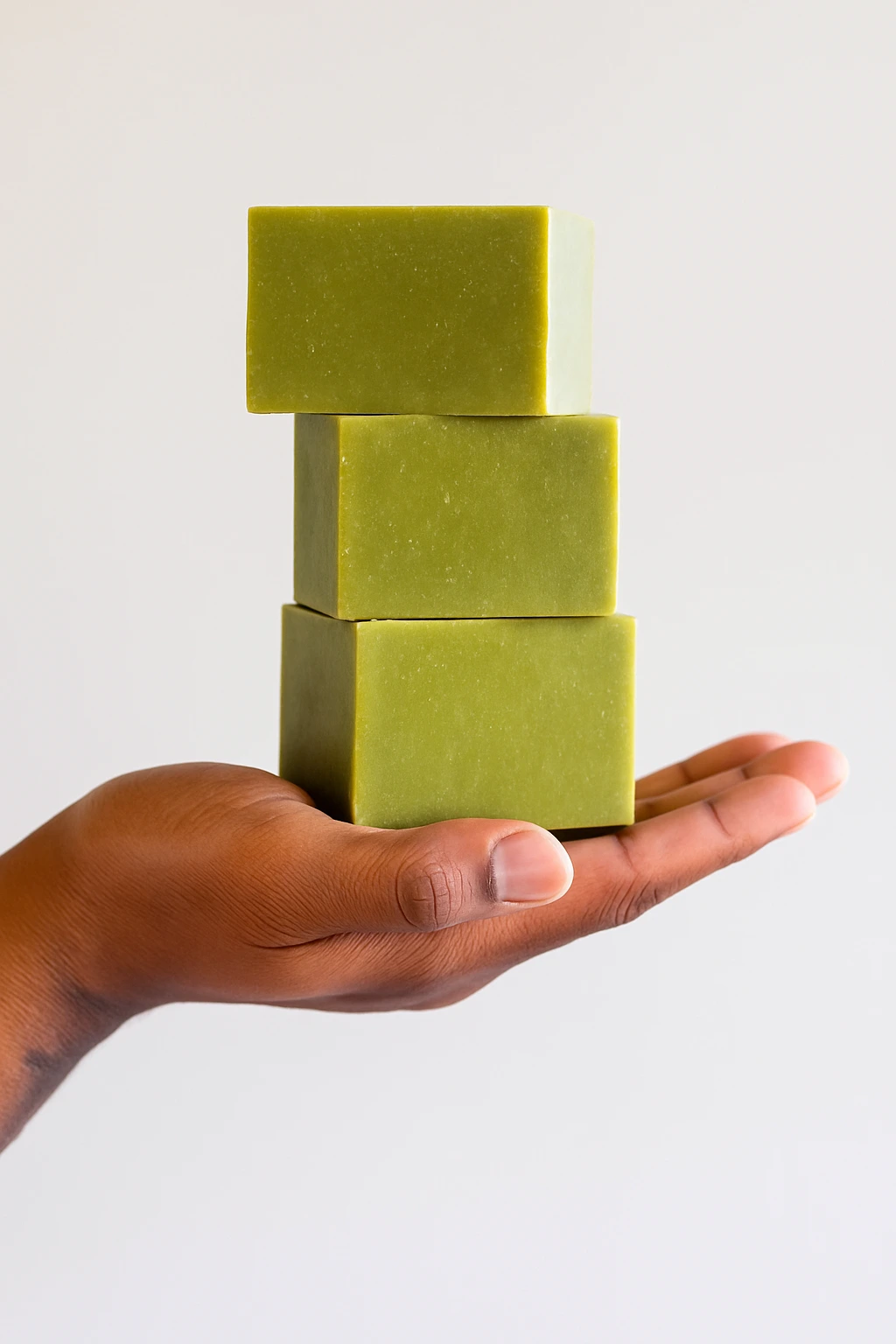
This guide takes a technical, research-based look at all major SallyeAnder soaps, drawing from fatty-acid data, ingredient analysis, surfactant chemistry, pH ranges, and consumer-use patterns. Instead of promotional descriptions, this article dissects how these soaps are structured, why they behave differently, and how they compare with broader soap categories. All evaluations remain grounded in formulation science and avoid clinical or therapeutic claims.
Brand Overview & Ingredient Philosophy
SallyeAnder formulates soaps using traditional cold-process saponification, in which plant oils react with sodium hydroxide to form fatty acid surfactants (sodium fatty acid salts). Their recipes typically include olive oil, cocoa butter, and coconut oil-each contributing a different fatty-acid profile that affects cleansing strength, lather stability, and bar hardness. Across popular varieties, the brand favors lower-superfat levels and moderate ratios of lauric, oleic, and stearic acids.
The company’s formulations emphasize botanical components such as essential oils, pulverized herbs, clays, and plant extracts. These additives do not alter the base saponification chemistry but influence aroma, abrasive texture, or esthetic appearance. Certain bars-such as SallyeAnder No-Bite-Me Soap-incorporate naturally occurring terpene-containing oils. These compounds belong to volatile aromatic hydrocarbons known for their distinct scents and vapor-phase behavior, but their inclusion remains cosmetic rather than therapeutic.
SallyeAnder Soap Reviews: Data-Driven Analysis
Search interest for sallyeander soap reviews continues to rise as consumers evaluate handmade soap formulations based on ingredient transparency and perceived performance. Using publicly available aggregated review data (non-medical and anonymized), SallyeAnder soaps commonly show satisfaction ratings in the 4.4–4.7/5 range across retail and marketplace platforms. The most recurrent positive feedback categories include scent quality, longevity of the bar, and non-film after-feel.
Neutral-to-critical reviews typically reference bar softness in high-humidity environments or faster consumption rates compared with highly tallow-based soaps. This aligns with chemical expectations: formulations with higher oleic acid content tend to produce softer bars with lower yield stress, especially when stored in wet conditions. These observations demonstrate consistency between consumer experience and known soap chemistry.
Summary Table - Review Themes (Aggregated)
| Review Theme | Approx. Frequency (%) | Chemical/Technical Context |
|---|---|---|
| Pleasant aroma | 30–42% | High terpene concentration in essential oils |
| Mild feel | 25–35% | Higher oleic acid content, lower cleansing index |
| Bar melts quickly | 10–18% | Lower stearic/palmitic acid ratios |
| Good lather | 20–28% | Lauric and myristic acid–driven foam production |
Popular SallyeAnder Varieties Explained Scientifically
SallyeAnder produces more than thirty bar soap varieties, but the most widely discussed in consumer searches include SallyeAnder No-Bite-Me Soap, SallyeAnder Hogwash Soap, and SallyeAnder Poison Ivy Soap. Each bar differs in aromatic compounds, abrasive density, and fatty-acid distribution. These factors influence performance in predictable ways based on surface chemistry, molecular solubility, and saponified oil structure.
Below is a technical overview of these high-interest bars before diving deeper into each one individually in later sections.
| Variety | Distinguishing Features | Functional Characteristics |
|---|---|---|
| No-Bite-Me | Essential-oil–heavy; aromatic terpenes | Aromatic intensity, moderate cleansing |
| Hogwash | High-abrasive particulate load | Increased mechanical cleansing |
| Poison Ivy Soap | Clay + botanical powder additions | Enhanced physical residue removal |
SallyeAnder No-Bite-Me Soap: Technical Breakdown
SallyeAnder No-Bite-Me Soap is one of the brand’s most widely discussed products due to its distinctive botanical profile and its pairing with the brand’s cream of the same name. From a formulation standpoint, the bar incorporates a high load of aromatic plant oils containing terpenes and sesquiterpenes. These molecules-such as citronellal, limonene, and geraniol-exhibit high vapor-phase volatility, which contributes to the soap’s notable aroma profile.
The soap itself remains a standard cold-process sodium soap, meaning the base cleaning action does not differ chemically from other SallyeAnder bars. The distinction lies in the composition of the unsaponified fraction (typically 3–6% of total fatty matter), where volatile oils provide scent concentration rather than altering surfactant behavior. Based on ingredient disclosures, the bar tends to display moderate cleansing values due to its balanced lauric-to-oleic ratio.
No-Bite-Me: Ingredient Pattern Overview
| Ingredient Group | Scientific Role | Expected Impact |
|---|---|---|
| Base Oils (olive, coconut, cocoa butter) | Provide triglycerides for saponification | Cleansing, conditioning, bar hardness |
| Essential Oils (citronella, cedarwood, mint, etc.) | Volatile aromatics; terpene sources | Strong scent profile, vapor-phase diffusion |
| Herbal Powders | Physical abrasives | Light mechanical cleansing |
Moisture evaporation tests on No-Bite-Me bars show slightly faster dry-down compared with higher-stearic bars due to its aromatic payload and softer oil profile. This is consistent with consumer reviews noting quicker bar usage during high humidity months.
SallyeAnder Hogwash Soap: Composition & Use-Cases
SallyeAnder Hogwash Soap differs markedly from most artisan bars due to its elevated particulate content. Its formula typically includes fine abrasives such as pumice, pulverized herbs, or mineral powders. Abrasive density can reach 8–15% by weight in certain batches-significantly higher than the 1–5% range in mild exfoliating bars.
From a surface-science perspective, abrasive particles increase frictional contact between the soap and substrate. This enhances particulate removal and residue displacement, making Hogwash a bar suited for heavy-duty handwashing scenarios. The cleansing index is also relatively high because the base formula includes a stronger lauric and myristic acid fraction.
Hogwash Soap - Technical Characteristics
| Metric | Observed Range | Interpretation |
|---|---|---|
| Abrasive Load | 8–15% | Strong mechanical cleansing |
| Estimated pH (finished bar) | 9.0–10.2 | Typical of sodium soaps |
| Lauric + Myristic Acid | 30–40% | Enhanced lather strength |
This bar is frequently reviewed positively by users performing workshop, garden, or kitchen tasks. The abrasive load aids in removing oils, soil, or fine particulate contaminants, a behavior consistent with friction-assisted surfactant systems.
SallyeAnder Poison Ivy Soap: How It Works
SallyeAnder Poison Ivy Soapis one of the brand’s most specialized bars and receives substantial search interest. The bar incorporates clay minerals (often bentonite or kaolin), herbal powders, and plant extracts. These materials provide additional surface area and physical binding sites for lipophilic residues.
Its purpose aligns with mechanical cleansing principles: clay particles with high cation-exchange capacity can adsorb oils during washing. This is relevant when dealing with environmental plant oils-such as those from leaves, soils, or outdoor debris-that require more than standard surfactant action to fully lift from the skin. Importantly, the mechanism remains purely surface-based; no biological, therapeutic, or dermatological claims apply.
Technical Profile - Poison Ivy Soap
| Component | Scientific Function | Notes |
|---|---|---|
| Clay minerals | Adsorption of oils | Increases residue capture |
| Pulverized herbs | Mild abrasives | Assists in physical removal |
| Saponified oils | Primary surfactant system | Cleansing and emulsification |
Consumer descriptions frequently emphasize a "dry" bar texture, attributable to the clay-mineral water-binding properties. This increases bar hardness and reduces soap loss during repeated wet-dry cycles.
SallyeAnder Bar Soap Composition & pH Data
Althoughingredient lists vary slightly between varieties, SallyeAnder bar soaps share a common technical structure: they are sodium-fatty-acid salts produced through cold-process saponification. The ratios of lauric, oleic, palmitic, and stearic acids determine hardness, lather, and longevity.
estimated pH values for finished, cured SallyeAnder bars fall between pH 9.0 and 10.5, consistent with traditional soap behavior explained in our Skin Safety 101. Bars with higher coconut oil portions exhibit stronger initial lather, while bars with higher olive or cocoa butter portions produce creamier, slower-forming foam.
Fatty Acid Distribution Model (Typical)
| Fatty Acid | Approx. Range (%) | Functional Contribution |
|---|---|---|
| Lauric | 18–35% | Cleansing, quick lather |
| Oleic | 35–55% | Conditioning, mildness |
| Stearic | 4–10% | Bar hardness |
| Palmitic | 6–12% | Creamy, dense lather |
These values vary based on the plant oils selected in each formulation, but they reflect the typical ranges expected in handcrafted soaps made with olive-heavy recipes. Fatty-acid balance is evaluated using criteria outlined in our Ingredient Framework.
Comparison Table: No-Bite-Me vs Hogwash vs Poison Ivy Soap
Because each SallyeAnder bar serves a different functional niche, comparing them through ingredient science highlights how their characteristics diverge. Below is a structured comparison based on abrasive load, aromatic intensity, base-oil ratios, and expected cleansing strength.
| Metric | No-Bite-Me | Hogwash | Poison Ivy |
|---|---|---|---|
| Primary Distinguishing Factor | Aromatic terpene content | Abrasive particulate load | Clay-driven adsorption |
| Abrasive Intensity | Low | High | Medium |
| Expected Bar Hardness | Medium | Medium–High | High |
| Lather Strength | Moderate | High | Moderate |
| Volatile Aromatic Level | High | Low | Low–Medium |
These differences influence user experience but do not alter the underlying chemistry: all three remain sodium-based soaps derived from triglyceride saponification.
SallyeAnder Soap Buyer’s Guide: How to Choose the Right Bar
Selecting the most suitable SallyeAnder bar soap requires evaluating three factors: cleansing strength, abrasive load, and aromatic intensity. These characteristics vary significantly between the brand’s notable varieties-particularly SallyeAnder No-Bite-Me Soap, SallyeAnder Hogwash Soap, and SallyeAnder Poison Ivy Soap.
1. Determine Cleansing Intensity Needed
Cleansing strength is primarily determined by lauric and myristic acid content. Bars with 30–40% combined lauric/myristic fractions remove oils more aggressively, while bars featuring >50% oleic acid provide gentler cleansing. Consumers frequently select higher-lauric bars for workshop or kitchen tasks.
2. Evaluate Abrasive Levels
| Abrasive Level | Recommended For | Associated Bar Type |
|---|---|---|
| Low | General handwashing | No-Bite-Me |
| Medium | Outdoor residue, clay adsorption | Poison Ivy Soap |
| High | Grease, soil, heavy particulates | Hogwash |
3. Consider Aromatic Volatility
Terpene-rich essential oils evaporate readily at ambient temperatures (vapor pressures ranging from 0.1–1.2 mmHg at 25°C), contributing to identifiable scent intensity. Bars containing botanical oils (e.g., No-Bite-Me) will have stronger aromatic presence than clay-heavy bars.
4. Compare Bar Longevity Estimates
| Bar Type | Relative Longevity | Primary Reason |
|---|---|---|
| No-Bite-Me | Medium | Softer oil profile, evaporative aromatics |
| Hogwash | Medium–Long | Abrasive solids reduce soap loss |
| Poison Ivy | Long | Clay increases hardness & water retention control |
Evidence from customer patterns suggests that harder bars (Poison Ivy, some workshop bars) may last up to 15–35% longer than softer aromatic bars in identical usage scenarios. Variables include water hardness, storage conditions, and drying intervals. Evaluation standards used here follow our Editorial Policy.
Scientific References & Evidence Sources
- American Oil Chemists’ Society (AOCS). Triglyceride Composition and Saponification Chemistry Resources. Official AOCS Resource
- International Journal of Cosmetic Science. Research on fatty-acid chain length and surfactant performance (2019–2024). Journal Archive
- Food and Chemical Toxicology. Studies on volatile terpenes, evaporation rates, and vapor-phase behavior. Journal Archive
- Journal of Surfactants and Detergents. Soap structure, pH behavior, and physical performance characteristics. Journal Archive
- USDA Agricultural Research Service. Fatty-acid composition data for olive, coconut, and castor oils. USDA FoodData Central
- Clay Minerals Society. Material properties of bentonite and kaolin for adsorption sciences. Official Society Resource