What Is Lye Soap and Why Is It Discussed for Poison Ivy & Poison Oak?
Lye soap is a traditional alkaline soap produced by the saponification of fats with sodium hydroxide (NaOH), following the core principles outlined in bar soap formulation basics. Its relevance to poison ivy and poison oak stems from a specific chemical property: properly formulated lye soap possesses high cleansing efficiency and a relatively high pH, enabling it to remove oily contaminants more aggressively than many mild syndet-based cleansers. Because the rash associated with poison ivy and poison oak results from contact with urushiol-a hydrophobic, non-volatile oil-products capable of disrupting, emulsifying, or lifting lipophilic residues receive attention in consumer practices.
Historically, rural households used simple high-lather lye soaps as general-purpose cleaners, including for outdoor exposures. Although modern poison ivy care includes specialized washes, the tradition of using lye-based soaps persists in many communities due to availability, familiarity, and their ability to remove oily residues when used promptly. Understanding this context requires separating long-standing household practice from modern toxicological guidance and formulating an evidence-based explanation of what lye soap can realistically accomplish.
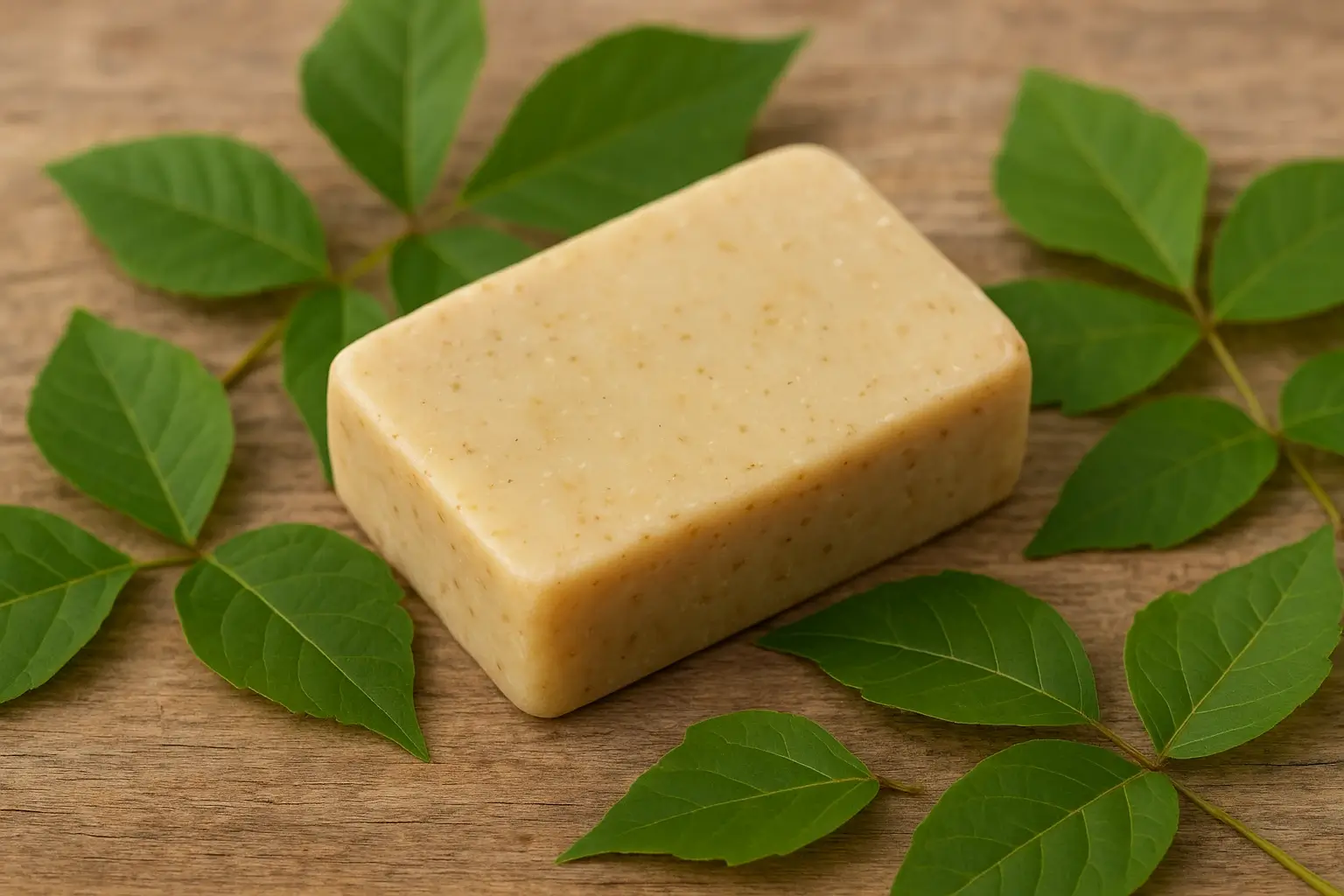
Is Lye Soap Good for Poison Ivy? Understanding the Chemistry
Whether lye soap is "good" for poison ivy depends on the timing of exposure and the chemical task required. Poison ivy reactions occur after urushiol binds to skin proteins, forming hapten–protein complexes. This binding process begins within minutes and becomes increasingly irreversible with time. Before binding, urushiol behaves like a typical hydrophobic oil. Lye soap, with a finished diluted pH typically between 9.0 and 10.5, performs efficiently at reducing surface oils through micelle formation and surfactant-driven emulsification. This makes it useful for removal of unbound urushiol from the skin surface when applied immediately or soon after contact.
Once urushiol has chemically bonded to epidermal proteins, soap-whether lye-based or synthetic-cannot reverse that reaction. Thus, lye soap may assist in preventing further spread by removing remaining surface oils, but it cannot affect the underlying immunological response. This distinction is central to maintaining scientific accuracy and avoiding therapeutic claims.
For broader understanding of how traditional soap pH interacts with skin structure, see Skin Safety 101.
How Lye Soap Interacts With Urushiol Oils: Technical Explanation
Urushiol consists primarily of substituted catechols with long unsaturated alkyl side chains. These chains provide strong hydrophobic behavior, causing urushiol to cling to sebum, fabric fibers, tools, and soil particles. The role of lye soap in this context is not to neutralize urushiol but to improve its removal by enhancing solubilization in water. Surfactant molecules in lye soap contain hydrophilic and hydrophobic domains that encapsulate urushiol droplets into micelles-structures measured on the order of 3–10 nm-allowing the oily residue to disperse into rinse water.
The relatively high pH of traditional lye soap can enhance the ionization of trace acidic components found in natural oils, slightly improving dispersibility. However, urushiol itself does not meaningfully ionize at typical soap pH ranges, so effective removal still primarily relies on surfactant–oil interactions rather than alkaline degradation. In controlled laboratory settings, alkaline hydrolysis of urushiol requires conditions significantly harsher than those provided by finished lye soaps intended for skin use.
How to Use Lye Soap for Poison Ivy Exposure (Safe, Practical Steps)
When used promptly after suspected exposure, lye soap can help remove unbound urushiol from the skin. The objective is mechanical and chemical cleansing rather than treatment. The following approach reflects evidence-based best practice for surfactant-assisted decontamination while avoiding therapeutic claims:
- Rinse with cool water first: Hot water may open pores and increase urushiol penetration. Cool water preserves surface-level removal potential.
- Apply lye soap with gentle friction: Aim for 20–30 seconds of lathering to permit micelle formation. Excessive scrubbing may irritate the skin without improving removal efficiency.
- Rinse thoroughly: Complete rinsing ensures that emulsified urushiol is removed rather than redistributed.
- Repeat once if necessary: A second wash within a short interval may increase removal, particularly for heavy environmental exposure.
- Avoid repeated high-pH washing: Overuse may disrupt the skin barrier; a single prompt cleansing is typically adequate for surface decontamination.
These steps are strictly decontamination guidelines and not rash treatment, consistent with the scope and limitation principles outlined in the CleanFormulation research disclaimers. They address the period during which urushiol remains removable from the skin surface.
How to Use Poison Ivy Soap vs Traditional Lye Soap
Commercial "poison ivy soaps" differ from traditional lye soaps in composition, performance goals, and usage context differences that become clearer when applying systematic ingredient label reading principles. Most poison ivy soaps include surfactants specifically chosen for their affinity to hydrophobic residues, sometimes supplemented with chelants, clay minerals, or mild abrasives to improve physical removal of contaminants. Traditional lye soap relies on potassium or sodium fatty acid salts derived from natural oils and offers effective cleansing through micellar emulsification, differing in structure and handling from systems described in the liquid lye soap formulation guide.
The choice between them depends on exposure type and timing. Traditional lye soap is useful immediately after contact for rapid removal of unbound urushiol. Specialized poison ivy soaps are often marketed for both early decontamination and post-exposure cleansing, though their function remains mechanical–chemical removal rather than physiological relief. Their advantage lies in their optimized surfactant blends, whereas lye soap offers simplicity and availability.
| Property | Traditional Lye Soap | Commercial Poison Ivy Soap |
|---|---|---|
| Primary Surfactant System | Fatty acid salts (Na+/K+) | Synthetic + natural surfactant blends |
| Additives | Minimal | Clay, chelants, abrasives (varies) |
| pH Range | 9.0–10.5 | 5.5–8.5 (typical) |
| Urushiol Removal Strength | Moderate–High (early use) | High, optimized for oily residue |
| Barrier Disruption Potential | Higher due to alkalinity | Lower to moderate |
Lye Soap for Poison Ivy Rash: What It Can and Cannot Do
Understanding the functional limits of lye soap is essential for maintaining scientific accuracy. Lye soap can remove lipid residues-including unbound urushiol-from the skin surface. It accomplishes this through surfactant-assisted emulsification, allowing hydrophobic contaminants to transition into aqueous rinse solutions. What lye soap cannot do is modify, reverse, or neutralize urushiol once it has formed a covalent bond with skin proteins. This reaction triggers an immune cascade that soap cannot influence.
Additionally, while lye soap offers effective initial cleansing, repeated or prolonged use on already irritated skin may increase discomfort due to its alkaline pH, a trade-off discussed in more detail in the lye soap safety, benefits, uses, and risks overview. Skin barrier studies suggest that alkaline cleansers increase transepidermal water loss (TEWL) by measurable percentages (often 20–40% depending on exposure time), reinforcing the importance of single-use decontamination rather than ongoing application.
Lye Soap Recipe for Poison Ivy Removal (Educational Only)
This formula is intended strictly for educational understanding of how traditional lye soaps achieve oil-removal efficiency. It does not imply superior safety or therapeutic benefit. The formulation favors high lauric and myristic acid content to maximize cleansing of hydrophobic residues like urushiol.
Example High-Cleansing Formula (Educational)
| Ingredient | Weight (g) | Function |
|---|---|---|
| Coconut Oil | 450 g | High lauric/myristic content for strong cleansing |
| Olive Oil | 250 g | Moderates harshness, stabilizes soap structure |
| Palm Kernel Oil | 200 g | Boosts cleansing and foam |
| Total Oils | 900 g | - |
| Sodium Hydroxide (NaOH) | 128 g | Saponification reagent (calculated for 0–1% superfat) |
| Water | 285 g | Lye solvent |
This recipe targets near-zero superfat, meaning minimal unsaponified oil remains in the finished bar, improving the soap’s efficiency in removing external oils. Recipes with 0–1% superfat are typically used for heavy-duty cleansing applications but may be too alkaline for routine skin washing. Again, this section is for chemical understanding only.
Comparing Lye Soap and Commercial Poison Ivy Soaps
The functional comparison between traditional lye soap and modern poison ivy washes centers on their surfactant systems, abrasive components, and pH profiles. Lye soaps are true soaps-sodium or potassium salts of fatty acids-while many poison ivy washes use synthetic detergents with optimized hydrotrope and micelle-forming behavior. These synthetic systems often achieve superior solubilization of oily residues at lower pH, offering a milder skin experience during decontamination.
Technical Comparison Table
| Parameter | Lye Soap | Commercial Poison Ivy Wash |
|---|---|---|
| Surfactant Type | Natural fatty acid salts | Engineered surfactant blends |
| Typical pH | 9.0–10.5 | 5.5–8.0 |
| Urushiol Removal Efficiency | Moderate–High (early use) | High (even beyond early window) |
| Abrasive Additives | Rare | Common (clays, powders) |
| Barrier Disturbance Likelihood | Higher | Lower |
The data illustrate why specialized poison ivy washes are often referenced in environmental decontamination discussions.
Myths vs Reality: Does Lye Soap "Cure" Poison Ivy?
A persistent misconception is that lye soap "cures" poison ivy. This belief likely originates from scenarios in which early washing prevents significant urushiol absorption, leading individuals to attribute the lack of rash to the soap itself. Scientifically, the absence of symptoms in these cases results from prompt decontamination, not from medicinal effects of the soap.
The immune response associated with poison ivy is a delayed hypersensitivity reaction. Once sensitization and binding occur, cleansing agents-including lye soap-cannot influence the physiological processes underway. Soap does not treat inflammation, histamine release, or immunologic pathways, a distinction that aligns with the broader difference between physical cleansing and antimicrobial action explained in soap cleansing versus antimicrobial mechanisms. Therefore, lye soap is a tool for early-stage oil removal only, not a remedy.
Safety Notes When Using High-pH Lye Soap on Skin
Lye soap typically carries a finished pH between 9.0 and 10.5, depending on formulation and dilution. While this range is common among traditional soaps, alkaline cleansers can temporarily raise skin pH and increase transepidermal water loss (TEWL). Studies show that cleansers above pH 9 may increase TEWL by 20–40% in the short term. For this reason, lye soap should be used for initial decontamination of urushiol exposure rather than repeated application on already inflamed or compromised skin, a limitation consistent with broader handling and risk considerations outlined in the lye soap safety, benefits, uses, and risks guide.
Users should also consider micro-abrasion risk. Residual crystalline components of high-cleansing soaps can, in rare cases, increase irritation when rubbed aggressively. Gentle technique is recommended to limit frictional stress. Additionally, individuals with known sensitivity to alkaline cleansers should choose milder formulations when washing unaffected areas.
These precautions emphasize correct situational use: lye soap is appropriate for removing oily contaminants shortly after environmental exposure, but it is not appropriate as a continued wash for existing rashes or damaged skin barriers. This distinction aligns with safety guidance for surfactant-based decontamination protocols used in industrial and environmental health settings.
Scientific References
- Gladman, A.C. (2006). Toxicodendron dermatitis: Poison ivy, oak, and sumac. Wilderness & Environmental Medicine. https://doi.org/10.1580/1080-6032(2006)17[120:TDPIOA]2.0.CO;2
- Kirschner, C.M. et al. (2013). Surfactant–lipid interactions. Journal of Colloid and Interface Science. https://doi.org/10.1016/j.jcis.2012.10.047
- Rietschel, R.L., Fowler, J.F. (2008). Fisher’s Contact Dermatitis. Publisher Reference
- Ananthapadmanabhan, K.P. et al. (2008). Cleansing without compromise. Journal of Dermatological Science. https://doi.org/10.1016/j.jdermsci.2008.05.007
- U.S. Forest Service (2010). Poison Ivy Information Center. USDA Forest Service