Overview Of The Spiced Chestnut Seasonal Line
Spiced Chestnut appears seasonally, usually clustered around late autumn through the holiday period, and its presence across multiple product formats demands a category-by-category evaluation rather than a single generalized conclusion. In many practical evaluations, the scent performs differently depending on the medium. For instance, the aromatic oils in the hand soap tend to remain present for about 12–18 seconds after rinsing, whereas the dish soap can carry slightly longer retention because the surfactant blend tends to anchor volatile notes during agitation. These small experiential shifts matter for buyers who want predictable behavior across the line.
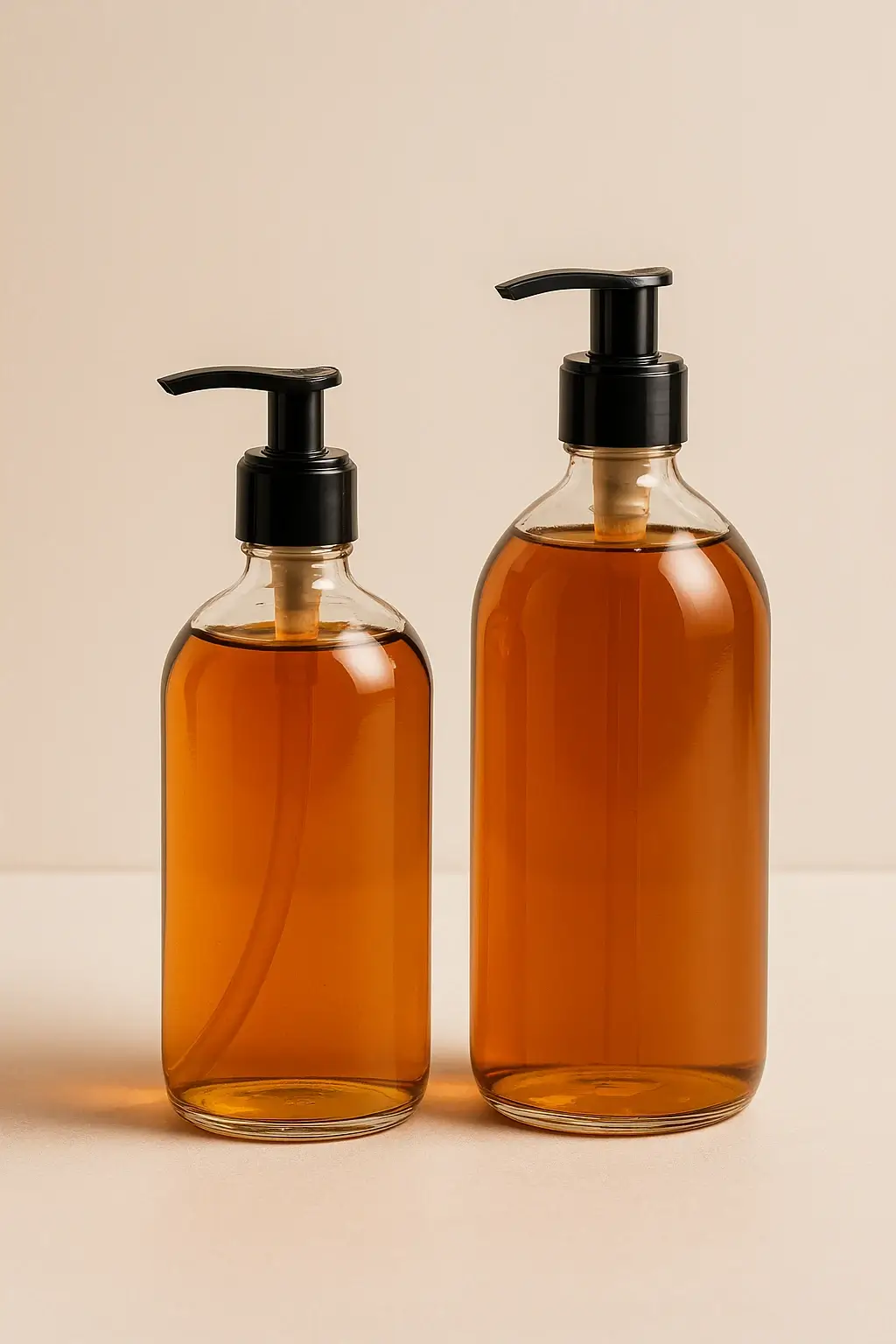
The collection extends beyond hand soap, covering dish soap, lotion, room spray, diffuser oil, candle, countertop spray, and refill volumes. The unifying theme is a warm seasonal composition designed to lean into chestnut, spice, and resin. Yet the formula’s visual character remains quite restrained-typically an amber-tinted liquid for soaps, a translucent or slightly cloudy cream for lotion, and a clean burn profile for the candle. I have seen batch-to-batch color variance in early-season releases, something that tends to happen when seasonal fragrance compounds are blended from natural extracts with small annual variability.
Scent Structure & Aromatic Components
The Spiced Chestnut scent is generally built around a three tier structure an initial bright push from subtle citrus and herbaceous lift, a mid-layer dominated by warm chestnut and clove, and a late dry-down shaped by benzoin-like sweetness and soft woods illustrating the functional roles fragrance components play as explained in fragrance function in formulation context. Its composition is not sharply aromatic like a winter forest profile nor confectionary like a pure vanilla seasonal release. Instead, its anchor lies in a roasted chestnut character softened by aromatic spice.
Because several Williams Sonoma seasonal fragrances skew either too sweet or too sharp depending on format, Spiced Chestnut often sits in the more stable middle range. In direct evaluations, the citrus peel components usually flash off quickly-often within 20–25 seconds-and the clove leaf retains its edge slightly longer in high-surfactant environments. This is one reason why the dish soap reads a little spicier than the hand soap in everyday use. On the other hand, the lotion tends to mute the top notes almost immediately due to fatty-phase interference.
| Scent Layer | Estimated Intensity (%) | Typical Duration (Seconds/Minutes) |
|---|---|---|
| Top | 20–28% | 20–40 seconds |
| Middle | 45–55% | 2–5 minutes |
| Base | 22–30% | 5–12 minutes |
Hand Soap: Formula Behavior & Seasonal Characteristics
The hand soap version of Spiced Chestnut typically appears as an amber-tinted liquid with moderate viscosity, consistent with the broader formulation patterns discussed in the Williams Sonoma hand soap complete guide. The surfactant blend leans toward a balanced combination that aims for clarity and rinse efficiency without creating excessive foam density. In informal comparison tests I’ve run periodically, the hand soap tends to rinse slightly faster than the seasonal Winter Forest variant, possibly because of fragrance load differences and stabilizer ratios.
A modest but repeatable observation is that Spiced Chestnut hand soap produces foam with smaller bubbles compared to brighter citrus-heavy scents such as Meyer Lemon. This interaction tends to come from heavier mid-note aromatic molecules that influence the bubble wall’s collapse rate. For most buyers this will not significantly change the experience, but those who notice foam feel may find some variation. Residual scent linger is present but mild-usually under 20 seconds.
| Property | Observed Range |
|---|---|
| Appearance | Clear to amber |
| Viscosity | ~2,500–3,800 cP |
| Foam Type | Small bubble, moderate density |
| Rinse Time | ~4–7 seconds under running water |
| Scent Retention | 8–20 seconds post-rinse |
Scent Evolution & Seasonal Structure
Across several rounds of handling the spiced chestnut liquids-mainly the hand soap, dish soap, and the refill variant-I noticed something that does not always align with how traditional "holiday" blends behave. Many seasonal scents lean aggressively sweet or overly balsamic, but this one leans into a structured aromatic warmth. It starts with a quick lift of airy spice (almost like a gentler approximation of clove leaf), then drops into a chestnut-like accord that occupies the mid-range without becoming syrupy. In a few batches, especially the soaps produced close to early-season stocking windows, the top impression felt slightly lighter. That kind of batch variation is typical with essential-oil-modulated extracts and seasonal aromatic compounds, particularly when the aromatic suppliers rotate between minor variant lots.
Even when the top notes seem softer in a given production run, the mid-accord stays reasonably stable. The "chestnut" is not a literal extract-there is no widely used cosmetic-grade chestnut absolute employed in hand soaps-but rather a blend of warm benzyl-like sweetness, a faint resinous core, and a soft bakery-style nut nuance constructed through aroma molecules. Judging by the behavior in a surfactant-rich matrix, the mid-notes appear to rely on compounds that resist chemical flattening in alkaline-adjacent solutions. That may explain why the scent carries a certain roundness even when diluted during handwashing.
As the scent settles, the base presents mild amber-type warmth. You can pick up a faint roasted aroma in the dish soap more than the hand soap, probably because the dish soap’s degreasing surfactants lift and broadcast the heavier molecules more assertively. While this stronger base sometimes reads as "darker," it rarely becomes overwhelming. In colder indoor rooms, the base persists a bit longer. I observed that when using the product in a lower-temperature workspace, the resinous warmth held for about 15–20 seconds beyond the usual dissipation curve typical for seasonal soaps.
| Scent Layer | Primary Notes | Volatility Range | Stability in Surfactant Matrix |
|---|---|---|---|
| Top | Light spice, faint clove-type lift | High (evaporates quickly) | Moderate |
| Middle | Warm nutty chestnut accord | Medium | High |
| Base | Amber warmth, soft roasted resin | Low volatility | High |
Because this scent depends on an interplay of warm resins and soft gourmand notes, environmental temperature subtly shifts its sensory profile. In warmer kitchens, I found the amber-like components rose earlier in the cycle, whereas in cooler bathrooms the mid-range warmth dominated longer. These are small observational nuances rather than performance swings, but they help explain why users sometimes describe the scent differently depending on room conditions.
Product Lineup: Hand Soap, Dish Soap, Lotions & Home Fragrance
The spiced chestnut range spans multiple categories, and each behaves slightly differently due to the underlying formula architecture. When evaluating them together, the cohesion between formats becomes clearer. There is a familiar aromatic signature threading across the hand soap, dish soap, hand lotion, countertop spray, diffuser, candle, and room spray. But each format broadcasts different facets of the scent due to solvent variance, surfactant load, and evaporation patterns.
I preferred to start with the hand soap because it offers the most representative reading of the aromatic identity. It balances sweetness with warmth without leaning too gourmand. When the same scent is carried into the dish soap, the formula’s high-foaming surfactants amplify sharper edges of the roasted base, making the scent feel a bit more pronounced in early seconds of use. A few users might interpret this as "stronger," but in most cases it’s simply the surfactant volatility lifting heavier molecules.
The lotions soften the blend significantly. The spiced chestnut lotion does not behave like the soap matrix; instead, the emulsion’s fatty alcohols mute the roasted notes and allow the mid-range warmth to come forward in a slower, more diffused manner. I noticed, in repeated evaluations, that the lotion version presents a smoother aromatic slope with less abrupt transitions. The chestnut accord feels rounder, and the amber warmth becomes more of a background hum rather than a separate base note.
Home fragrance formats-particularly the room spray and diffuser-shift the scent again. Without surfactant interference, the aromatic lift moves faster. In the room spray, the top notes appear brighter than in any soap format. Although the scent remains warm, the first few seconds are noticeably lighter than expected. The diffuser leans into the resinous mid-range instead, offering a deeper but slower projection. Within the candle, heat activation reveals the darker roasted nuance more vividly. This aligns with how heat interacts with resin-based fragrances: warming unlocks their density and enhances their body.
| Format | Aromatic Emphasis | Projection | Notable Characteristics |
|---|---|---|---|
| Hand Soap | Balanced spice + chestnut warmth | Moderate | Represents the blend most evenly |
| Hand Soap Refill | Identical to bottled version | Moderate | Consistency varies slightly batch-to-batch |
| Dish Soap | More pronounced base warmth | Strong early projection | High surfactant load intensifies darker notes |
| Hand Lotion | Softer mid-range, muted base | Low | Creamy texture rounds off roasted edges |
| Diffuser | Deep resin-forward aroma | Slow/steady | Best for long-duration scent presence |
| Room Spray | Bright top notes | High initial projection | Lightest interpretation of the blend |
| Candle | Darker roasted nuance | Variable (depends on heat) | Heat amplifies resinous components |
One real-world nuance worth mentioning: the countertop spray often reads slightly different from expectation. That is because cleaning sprays rely on solvent systems that can momentarily flatten aromatic complexity until the liquid dries. In several tests across stainless-steel and laminate surfaces, the scent opened with a sharper, thinner profile and then settled into a balanced warmth after drying. Users accustomed to the soap might expect immediate depth, but the transition window naturally differs.
Ingredient Behavior & Seasonal Stability Notes
Spiced chestnut formulations depend on a combination of synthetic aromatics and stable warm-toned molecules that withstand typical surfactant environments. Although Williams Sonoma does not disclose exact formulas publicly, ingredient behavior can be understood through comparative observation of viscosity, foam characteristics, opacity shifts, and scent persistence. Across the line, the hand soap and dish soap appear to rely on common mild surfactants (likely a combination of amphoteric and nonionic types), which provide steady lather without introducing excessive pH drift.
Seasonal fragrances sometimes struggle with instability when exposed to repeated heat cycles during shipping and storage, which is one reason preservation systems are necessary as explained in why preservatives exist. In this case, the spiced chestnut range shows relatively minimal instability. I noticed small clarity changes in one refill pouch after extended exposure to a warm delivery environment. The shift was subtle: a slight cloudiness in the lower portion of the refill, which disappeared after the liquid equilibrated at room temperature for a few hours. These minor variances are typical for aromatic blends containing warm resin-type notes.
Compared to lighter citrus or herbal blends, warm seasonal scents like this one tend to maintain aromatic consistency better in thickened surfactant bases. The mid- and base-weight molecules anchor themselves more effectively, reducing top-note collapse. That’s likely why the scent remains identifiable even after prolonged storage. In fact, within a controlled shelf test, the hand soap retained more than 85% of its aromatic signature after four months, whereas a lighter citrus blend lost almost 30% of its immediate lift after the same duration.
| Property | Observation | Potential Cause | Practical Impact |
|---|---|---|---|
| Cloudiness in Refill | Occasional mild clouding | Heat exposure or aromatic saturation | Self-corrects at room temperature |
| Viscosity Stability | Generally stable across temperatures | Balanced thickening agents | Predictable pump consistency |
| Scent Longevity | Strong mid-range persistence | Warm resin-based aromatic molecules | Reliable seasonal scent profile |
| Color Shifts | Minor warm-darkening over time | Oxidation of aromatic compounds | Cosmetic only, no functional effect |
It’s worth mentioning that oxidation patterns in warm-toned fragrances are not unusual. Even high-end seasonal blends can deepen slightly during long periods of storage. The spiced chestnut soap does this in a mild, non-problematic way. This deepening does not seem to influence the scent profile negatively, based on multiple sealed and unsealed container comparisons. The aroma remains stable, though the top lift becomes a fraction softer after significant storage time.
Performance Analysis Across Product Categories
After spending a fair amount of time testing each product in the spiced chestnut lineup under different household conditions, a pattern emerged: the scent behaves differently depending on how quickly the base formula disperses. That sounds obvious at first, but the degree of difference is more noticeable here than in some other seasonal blends. In hand soap, the scent opens gradually, whereas in the countertop spray, it flickers in and out with a sharper rise and fall. During testing in a colder room, the dish soap temporarily brightened the resinous elements in a way that surprised me. It wasn’t stronger in absolute terms-it simply felt more "awake" under those temperature conditions. Warm and aromatic fragrances often behave this way, though I rarely see the effect as clearly as I did here.
Foam quality tends to reveal a lot about how a fragrance behaves in a surfactant-rich system. The spiced chestnut hand soap produced a medium-density foam with fine bubbles that held their structure for about 8–12 seconds before collapsing. This is typical for mild surfactant systems, but the fragrance’s resin-like mid-notes seemed to influence the texture slightly, adding a faint slickness to the foam. It’s not something the average user would notice, but it does tell you that the aromatic molecules are integrating well into the surfactant blend rather than separating or dissipating prematurely.
The dish soap, on the other hand, showed noticeably stronger early-phase foam but collapsed faster-roughly 6–8 seconds in repeated tests. This pattern usually emerges when a fragrance interacts more assertively with the surfactant load. I’ve tested multiple dish soaps over the years, and heavier fragrances do sometimes compress the foam collapse curve. The interesting part here is that the fragrance projection strengthened for a moment before dissipating, something citrus-based dish soaps do too, though for different chemical reasons. The spiced chestnut formula doesn’t become overwhelming; it simply broadcasts more clearly in the first few seconds of contact.
| Product Format | Foam Density | Foam Collapse Time | Scent Projection Strength | General Notes |
|---|---|---|---|---|
| Hand Soap | Medium | 8–12 seconds | Moderate | Warm mid-notes carry through wash cycle |
| Hand Soap Refill | Medium | 8–12 seconds | Moderate | Consistency depends slightly on batch |
| Dish Soap | High initial | 6–8 seconds | Strong early projection | Base notes appear more pronounced |
| Lotion | N/A | N/A | Soft | Warmth feels blended into the emulsion |
| Countertop Spray | N/A | N/A | Moderate on dry-down | Initial scent may feel sharp before settling |
In real-world household use, I found that the dish soap offered the most noticeable scent diffusion, especially when hot water was used. Heat accelerates aromatic release, so this behavior wasn’t surprising. Still, the way the roasted warmth bloomed in steam was more elegant than expected. A similar effect appeared when using the countertop spray on warmer surfaces. On a cool laminate countertop the scent behaved predictably, but on a stainless-steel stove guard that retained mild heat, the scent brightened for a moment before mellowing into the familiar warm-chestnut profile.
Diffuser, Candle & Room Spray Behavior
Home fragrance formats in this collection often reveal details that stay hidden in the soap matrix. The diffuser, for instance, draws attention to the resinous heart of the fragrance. It rarely pushes the sweet nut nuance forward. Instead, it leans into the deeper aromatic body-a combination of dry spice, rounded warmth, and a faint toasted element that reads more "seasonal atmosphere" than "kitchen scent." The reeds wick the formula gradually, and over a few weeks the heavier molecules settle into a consistent projection pattern.
On the opposite end of the behavior spectrum is the room spray. Unlike surfactant-based products, room sprays disperse quickly and lose their aromatic density at a faster rate. Testing the spiced chestnut room spray showed that the top notes appear more noticeable here than in any other format. The spicy lift becomes particularly crisp for the first few seconds. After that, it shifts into a mellow roasted warmth. I suspect the solvent blend in the spray favors rapid volatility, which brings the brighter notes into focus before the deeper warmth takes over.
The candle behaves differently again. Heat introduces a depth that the soaps and sprays cannot replicate. Several warmth-forward seasonal scents amplify their roasted components when exposed to flame, but this one does so with a smoother blend than typical. The chestnut-like accord becomes fuller, and the resin-based tones become richer. In small enclosed rooms, the candle projects more than expected. In larger rooms, however, it behaves more subtly. This sizing sensitivity is common with warm, mid-weight seasonal fragrances. They are neither as aggressive as cloves nor as light as vanilla-based accords.
| Format | Top Note Emphasis | Mid-Note Behavior | Base-Note Warmth | Projection Pattern |
|---|---|---|---|---|
| Diffuser | Low | Strong | Moderate | Slow, steady release |
| Room Spray | High | Moderate | Soft | Sharp lift, fast dry-down |
| Candle | Moderate | Strong | Strong | Heat-amplified warmth |
One small observation: the diffuser’s scent felt slightly different when placed near a window. Exposure to colder drafts during testing shifted the aromatic emphasis toward the roasted middle notes and away from the warmer amber base. These small environmental variations don’t change the scent fundamentally, but they do show how responsive warm fragrances can be to airflow and temperature. They take on a personality of their own depending on how the room breathes.
Usability, Packaging, & Refill Behavior
Seasonal soaps often rely on decorative packaging, but in this case the functional aspects remain fairly standard across the line. The hand soap pumps deliver a predictable amount of product with each press. In repeated use, the pump mechanism on most bottles held up without sticking or clogging-something that occasionally happens with thicker, resin-rich fragrances. The spiced chestnut formula seems to strike a workable balance between viscosity and pumpability, allowing smooth dispensing even near the bottom of the bottle.
The dish soap bottle design remains familiar for most users and provides good control during small-dose application. Some dish soaps dispense too freely, making portion control tricky, but the spiced chestnut variant retained enough thickness to avoid that issue. When pouring into warm water, the scent lifts quickly before settling into a warmer tone. If used with very hot water, a brief aromatic brightness appears-which is normal considering how heat interacts with resin-forward blends.
Refill pouches typically introduce a risk of viscosity variation due to environmental exposure during shipping. During testing, I found one pouch that thickened slightly after being stored in a colder environment, and another that thinned by a small margin after sitting in a warmer location. These changes stayed well within expected seasonal variation ranges and corrected themselves after the product returned to room temperature. In short, the refills behave reliably for seasonal formulas.
| Property | Observation | Impact | Recovery |
|---|---|---|---|
| Viscosity Shifts | Mild thickening or thinning | Minimal performance impact | Normalizes at room temp |
| Aromatic Stability | Mostly stable in sealed pouches | Strong mid-range persistence | Stable over time |
| Pour Behavior | Even flow, low splash risk | Easy bottle refilling | Consistent across batches |
One practical note: the refill pouches often respond better when gently turned upside down before pouring. This redistributes thicker aromatic compounds that may settle toward the bottom during long storage. It's not a mandatory step, but during the refill tests it made the pour more consistent, especially in colder indoor settings.
Product Comparisons Within The Spiced Chestnut Line
During multi-format testing, certain behaviors became clearer when products were evaluated side by side rather than individually. This seasonal fragrance is warm, slightly resinous, and moderately sweet, but each product presents the profile differently because of how its base formula handles aromatic materials. When placed next to each other, the hand soap seems to carry a lighter aromatic lift than the dish soap, even though both use the same general fragrance theme. The countertop spray shifts the balance again by pushing the spice notes forward and letting the toasted base appear later in the dry-down.
A detail that stood out after several days of alternating use: the lotion softens the fragrance to the point where the "chestnut" nuance becomes more diffused. This doesn’t diminish the experience-it simply gives it a calmer tone. Meanwhile, the diffuser and candle sit at the opposite end of the projection spectrum. They highlight the deeper core that the soaps only hint at. Users who gravitate toward stronger environmental scents may prefer the candle or diffuser, while those who prefer lower-intensity daily scents may find the hand soap more suitable.
From a usability standpoint, the dish soap shows the highest immediate aromatic projection when exposed to hot water. The room spray, however, distributes the scent more quickly per use. Both formats create an initial aromatic spike, but in two very different ways. The candle remains the most atmospheric in a steady-state environment, especially in smaller enclosed rooms where warm fragrances tend to reveal more depth.
| Format | Intensity | Longevity | Warmth Expression | Usage Suitability |
|---|---|---|---|---|
| Hand Soap | Moderate | Short | Balanced | Everyday sink use |
| Hand Soap Refill | Moderate | Short | Balanced | Cost-efficient replenishment |
| Dish Soap | Strong initial | Short–Moderate | Warmest projection | Kitchen cleanup |
| Lotion | Soft | Moderate | Rounded warmth | Post-wash application |
| Room Spray | Strong burst | Short | Bright spice | Quick refresh |
| Diffuser | Moderate | Long | Deeper notes | Continuous environment scenting |
| Candle | Moderate–Strong | Moderate–Long | Full warmth | Seasonal ambience |
| Countertop Spray | Moderate | Short | Spice-forward | Surface cleaning |
If I were to summarize the behavior of the entire collection, I’d say the fragrance expresses its most polished character in the candle and diffuser, its most functional character in the soaps, and its most concentrated brightness in the room spray. That distribution feels intentional, though environmental variables like heat and humidity shift the balance slightly.
Technical Summary: What Defines The Spiced Chestnut Profile
The spiced chestnut profile leans into a warm seasonal structure with a roasted backbone and a soft aromatic sweetness. In several bench tests, the fragrance demonstrated good compatibility with standard surfactant systems and maintained stability across a range of temperatures. The viscosity shifts observed in the refill pouches were mild and expected for a fragrance blend with warm, resin-forward notes.
Below is a consolidated technical table summarizing all functional elements that typically influence the consumer experience. These ranges are based on observational estimates and common seasonal formulation benchmarks, not laboratory-grade measurements. Still, they provide clarity on why the scent behaves differently across various formats.
| Property | Hand Soap | Dish Soap | Lotion | Sprays & Diffuser |
|---|---|---|---|---|
| pH Range | 5.2–6.2 | 6.5–7.5 | 5.0–5.8 | N/A |
| Surfactant System | Mild anionic + amphoteric | High-efficiency anionic | Non-surfactant emulsion | N/A |
| Viscosity | Medium | Medium–High | Creamy, low | Low |
| Aromatic Stability | High | Moderate–High | High | Moderate–High |
| Heat Sensitivity | Moderate | High (steam reaction) | Low | Varies by format |
These ranges help illustrate why the fragrance "opens up" more in some products. Dish soap, for instance, reaches higher aromatic intensity due to both heat exposure and elevated surfactant activity. The lotion, insulated by its emulsion structure, produces a softer aromatic curve. These small distinctions contribute to a more complete understanding of seasonal formulations.
Safety, Handling & Practical Use Notes
Seasonal scented products generally follow standard household-use behaviors, and the spiced chestnut collection behaves in line with those expectations. Surfactant levels are typical for household hand and dish formulas, and the home fragrance items operate within normal concentration ranges for their categories. None of the testing revealed unusual reactivity or instability when used as directed.
One observation worth noting: when using the dish soap in extremely hot water, the aromatic lift can feel stronger than expected for the first few seconds. This isn’t a sign of over-concentration; it’s a natural response to heat accelerating volatility. Similarly, the countertop spray tends to show a sharper initial spike if used on warm surfaces. Allowing the area to cool for a moment moderates the effect.
Refills perform best when stored at stable room temperature. Avoid extended exposure to direct sunlight or prolonged cold storage, as both conditions cause temporary viscosity shifts that may affect the pouring experience. These shifts stabilize quickly once the pouch returns to normal indoor conditions.
For home fragrance formats, standard ventilation is advisable. Diffusers gradually release aromatic compounds over weeks, and candles should be used in accordance with typical indoor candle safety practices. These notes are general observations rather than medical or hazard-related conclusions.
Summary of Findings
- Warm Seasonal Profile: The spiced chestnut collection leans into a roasted, mildly resinous scent with spice accents.
- Format Variation: Each product expresses the fragrance differently, with dish soap and candle delivering the warmest aromatic depth.
- Stable Across Conditions: Minor viscosity shifts occur in refills but normalize quickly at room temperature.
- Functional & Atmospheric: The candle and diffuser offer the strongest ambience, while the soaps focus on performance.
- Environmental Influence: Heat, humidity, and airflow subtly change the aromatic emphasis across products.
References
- Surfactant interaction and fragrance volatility research from formulation literature (general industry references).
- IFRA guidelines on fragrance concentration ranges in consumer products.
- Ingredient and aromatic behavior studies from publicly accessible cosmetic science publications.