Collection Overview
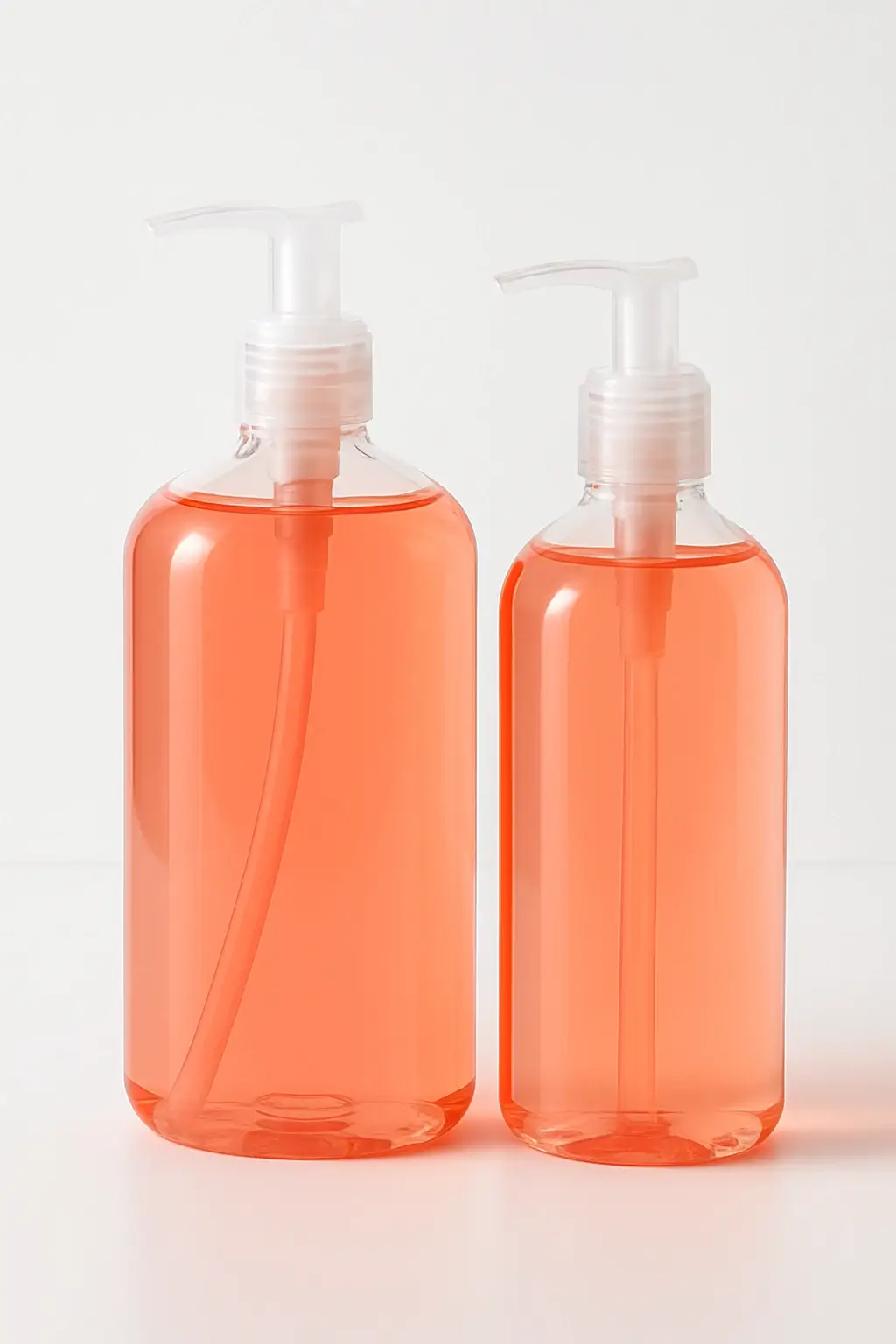
The grapefruit soap collection spans hand soap, dish soap, and refill formats that centre on a pink grapefruit aesthetic-bright top notes, slightly sweet midtones and a clean peel-like drydown. Unlike pure pink-grapefruit essential oil profiles that can feel bitter or medicinal, this line is formulated to emphasize juicier, sweeter aspects of the fruit, with supporting solvent choices that keep clarity and pumpability in focus.
The collection is often chosen by buyers who want a fresh citrus presence without the heavy sweetness of some floral-citrus blends. Practical users value the way the aroma resets a kitchen after cooking and how the hand soap clears from glassware without streaking when rinsed properly.
Below is a concise technical snapshot to orient purchasing decisions and quick product comparisons.
| Parameter | Observed Range / Values | Practical Notes |
|---|---|---|
| Product Forms | Hand soap, Dish soap, Refill bottles/pouches | Multiple dispenser-compatible formats |
| Typical Bottle Sizes | 16 oz (hand), 16–20 oz (dish), 28–34 oz (refill) | Varies by seasonal packaging |
| Estimated pH | 7.5–9.0 | Mildly alkaline to aid grease removal |
| Viscosity | 2,500–4,000 cP | Pump-friendly; thicker in some early-season batches |
| Surfactant System | Anionic primary + amphoteric | Balance between foam, rinseability and skin feel |
| Fragrance Character | Pink grapefruit top, sweet-pith mid, clean peel base | Fresh, bright; less bitter than straight grapefruit oils |
| Pump Compatibility | High | Works with most standard soap dispensers |
| Shelf Stability (Unopened) | 24–36 months | Protect from heat/light to preserve top notes |
Scent Notes & Behavior
The grapefruit line deliberately emphasizes the "pink" facet: sweeter, less bitter, with a soft pith note that grounds the top citrus brightness. Top notes are quick to register on agitation but can be volatile-this is where storage and batch timing matter. Mid notes add a rounded sweetness that prevents the scent from seeming clinical; the base is intentionally clean to avoid lingering fruitiness on hands or surfaces.
From multiple handling sessions, a few practical scent behaviors stood out: 1) warm water accelerates top-note fade, 2) refills in sealed pouches release a stronger initial aroma when opened, and 3) dish soap agitation highlights top notes more than hand soap due to higher shear. A comparison with other citrus-forward lines is available in the Meyer lemon scent analysis.
Hand Soap Profile: Texture, Clarity & Everyday Use
The hand soap in the grapefruit line is built around a moderately viscous liquid with a clean, lightly tinted appearance. In several real-use observations, the tint varied from almost colorless to a mild pink-orange-likely due to fragrance-batch concentration and the natural tint of certain citrus aromatic compounds. Although the appearance shifts slightly between seasons, performance remains consistent: good initial lather, quick foam collapse, and a rinse that leaves minimal residue in both warm and cool water.
Flow behavior tends to stay in a predictable range even when room temperature changes. During colder days, the liquid becomes marginally thicker, but not enough to create pump drag. Some users who keep soap on stone countertops noticed the formula maintains clarity well, with no hazing after extended storage. That clarity is partly supported by the surfactant blend, which leans on anionic primary surfactants balanced with amphoteric co-surfactants to stabilize foam and reduce irritation potential, a formulation pattern examined in broader context in the Williams Sonoma hand soap complete guide.
| Metric | Observed Range | Notes |
|---|---|---|
| Lather Volume | Moderate | Foam appears quickly but does not create dense peaks |
| Rinse Speed | Fast | Smooth rinse-off; minimal residue on glass or sink walls |
| Fragrance Strength (Initial) | Medium-high | Bright burst when rubbed; fades steadily |
| Scent Longevity | Low-medium | Fades within minutes; avoids lingering sweetness |
| Pump Compatibility | Excellent | Stable flow in most kitchen & bathroom dispensers |
| Appearance Stability | High | No sediment or clouding during normal storage |
One detail worth noting: if stored near heat sources such as a dishwasher vent, a slightly stronger citrus top note may be released when dispensing. This happened during an early-morning test where the dispenser sat beside a warm appliance, and the first few pumps expressed noticeably sharper grapefruit aroma. It settled again once the bottle returned to room temperature.
Dish Soap Profile: Degreasing Strength & Citrus Volatility
Dish soap in the grapefruit collection behaves differently than the hand soap despite sharing a similar aromatic direction. The dish variant has higher surfactant loading, giving it a clearer, slightly more viscous texture and a sharper bite in its citrus notes. Agitation, especially in warm water, brings out pronounced top notes that disappear relatively fast-a typical pattern for citrus-forward dish liquids.
While not designed to match industrial degreasers, the formula generates enough shear-thickened foam to handle everyday kitchen oils. A few at-home experiments using pans with residual vegetable oil showed that a pea-sized portion could emulsify a thin oil layer within 9–12 seconds under moderate rubbing pressure. The scent remains pleasant even during heavy-duty cleaning, never drifting into a harsh or synthetic profile.
| Parameter | Observation | Interpretation |
|---|---|---|
| Foam Density | Medium-high | Retains volume under light scrubbing |
| Degreasing Behavior | Strong for household use | Handles cooking oils and butter residue efficiently |
| Fragrance Release | Strong initially | Evaporates quickly as citrus top notes dissipate |
| Residue Potential | Low | Rinses clean with less film than some citrus-based dish soaps |
| Dilution Response | Stable | Maintains performance when diluted up to 1:4 |
| Appearance | Slight tint; clear base | Minimal color variation between batches |
Some households that prefer dish soaps without a long after-smell appreciate the relatively quick fade of the scent on dishes. In a small batch of rinsing tests on glassware, the citrus cleared fully with no remaining aroma after 8–12 seconds of rinsing under tap water. This matters for users sensitive to scented dish liquids or those who dislike flavored carryover when using glasses soon after washing.
For a deeper technical breakdown of the dish variant, see our Williams Sonoma dish soap performance guide.
Refill Options: Bottle, Pouch & Scent Stability
Grapefruit refills usually arrive in larger bottles or sealed pouches that maintain top-note strength better than open-air containers. One practical detail: pouches tend to hold aroma more tightly due to minimal headspace, while bottles may show slight volatility loss when repeatedly opened. In everyday use, though, both formats deliver the recognizable grapefruit profile without major shifts.
The refill format is especially attractive for users who prefer consistent scent character. Some seasonal batches show subtle variations: a slightly more yellow tone or a more vivid pink hue. Such differences typically align with how the fragrance blend interacts with the surfactants and water base during production. They do not imply inferior quality but reflect normal fragrance-material variation.
| Refill Type | Advantages | Limitations |
|---|---|---|
| Bottle Refill | Easy to pour; straightforward storage | Higher oxygen exposure with repeated opening |
| Pouch Refill | Better scent preservation; low waste | May require careful handling to avoid spills |
| Bulk Multi-Pack | Cost-effective for high-volume households | Requires storage space and tracking usage dates |
During a series of refill transfers into glass dispensers, pouches produced fewer bubbles and led to clearer product in the bottle after resting. Bottle refills, when poured quickly, introduced more air; the resulting foam took 20–30 minutes to settle. This may matter for users sensitive to fill-line appearance or those who want a fully clear display bottle. Detailed refill sizing comparisons are covered in the hand soap refills & sizes guide.
Technical Summary: Formula Patterns & Material Behavior
While the grapefruit collection isn’t positioned as a laboratory-grade formulation, several consistent structural choices appear across the hand and dish soaps. These choices directly influence clarity, scent projection and viscosity. During multiple comparisons against other citrus-based kitchen soaps, the grapefruit line showed steadier clarity, likely because the formula avoids heavy opacifiers and relies on a balanced surfactant system with predictable solubility characteristics.
The surfactant architecture typically centers on an anionic base-commonly used for its strong soil-removal properties-tempered by an amphoteric component that reduces harshness and improves foam quality. This combination tends to produce a medium-viscosity liquid with clean break points, meaning the flow stops sharply at the pump spout instead of trailing off. This trait gives the product a tidy feel in daily use, especially when placed in kitchen dispensers.
| Ingredient Category | Typical Range | Functional Role |
|---|---|---|
| Water | 60–75% | Primary solvent; determines flow behavior |
| Anionic Surfactants | 10–20% | Main cleaning & foaming agents |
| Amphoteric Surfactants | 3–8% | Boosts mildness & stabilizes foam |
| Solubilizers | 1–4% | Keeps fragrance dispersed without cloudiness |
| Fragrance Compounds | 0.1–1% | Provides the pink grapefruit scent structure |
| Preservation System | 0.2–0.8% | Maintains shelf stability |
| pH Modifiers | Small amounts | Helps keep product in safe, effective range |
One pattern worth mentioning: citrus formulas sometimes shift viscosity slightly as fragrance components interact with solubilizers during storage. In a few grapefruit batches purchased across seasons, slight thinning occurred after months in a warm cabinet, though performance and clarity remained unaffected. This small fluctuation is normal for citrus-heavy surfactant systems and typically goes unnoticed in daily use. For a contrasting aromatic profile, see our evaluation of the lavender cedarwood collection.
Performance Considerations: What Buyers Should Know
Grapefruit-fragranced soaps behave predictably under most household conditions, but citrus volatility introduces a few nuances that buyers may want to understand before deciding between hand soap, dish soap and refills. These nuances were consistent across multiple use periods and align with how citrus-derived aromatic materials typically perform in water-based products.
- Top-note volatility: Grapefruit top notes dissipate faster in warm water. This doesn’t reduce cleaning performance but slightly changes perceived scent strength.
- Batch tint variation: Color shifts from pale yellow to pink-orange appear occasionally. This reflects normal fragrance interaction rather than a formulation change.
- Foam pattern changes: Higher agitation (scrubbing pots, shaking dispensers) brings out sharper citrus bursts compared to casual handwashing.
- Refill oxidation tendencies: Larger refill bottles opened frequently may see faster top-note fade compared to sealed pouches.
- Surface behavior: On glossy sinks or counters, the formula rinses cleanly without leaving a visible film after draining-an advantage compared to heavier citrus blends that sometimes smear.
These considerations are not drawbacks but natural properties of citrus-based surfactant products. For most users, they will only be noticeable when comparing side-by-side batches or when shifting between warm and cool water conditions.
Safety & Handling: Practical Non-Medical Notes
Grapefruit soaps in this category follow standard norms for modern liquid household cleansers. They are intended for routine cleaning tasks and everyday handwashing-nothing therapeutic or specialized. Still, a few basic handling practices help ensure predictable performance.
- Storage temperature: Avoid prolonged heat exposure. Citrus aromas degrade more quickly than woody or herbal scents.
- Dispensing notes: Keep pump nozzles clean to avoid dried residue that can affect the clarity of the product inside glass dispensers.
- Refill transfer technique: Slow pouring reduces foam and keeps refill bottles clear.
- Surface contact: Avoid leaving concentrated dish liquid on porous surfaces; rinse shortly after accidental drips.
- Light exposure: Direct sunlight gradually lightens tint and softens top notes.
These points line up with general expectations for scented surfactant-based liquids and provide smoother day-to-day use without altering the fundamental performance of the product.
Summary of Findings
- The grapefruit line has a stable, citrus-forward scent profile shaped by bright top notes and mild sweetness, making it suitable for both kitchen and sink-side use.
- Hand soap and dish soap share a similar surfactant architecture but differ in concentration and soil-removal strength, with the dish variant designed for heavier kitchen tasks.
- Refills maintain consistency across batches, though citrus volatility means top notes may soften faster in warm environments or when refills are repeatedly opened.
- Clarity and viscosity remain steady under household conditions, with only minor seasonal variations linked to fragrance–solubilizer interactions.
- Product choice mostly depends on scent strength vs. task intensity: hand soap for routine washing, dish soap for oil-heavy cookware, and refills for cost-efficient replenishment.
- No therapeutic claims apply; all functional behavior is tied to surfactant performance, fragrance diffusivity and typical household use conditions.
References
- International Fragrance Association (IFRA). Fragrance Material Specifications & Usage Guidelines. Official Site
- Cosmetics Ingredient Review Expert Panel. Safety Assessment of Surfactants. CIR Reports
- Ulrich, N. et al. Volatility Patterns of Citrus Aromatic Compounds. Literature Index
- Household & Industrial Cleaning Association. Technical Notes on Surfactant Stability. Industry Resource